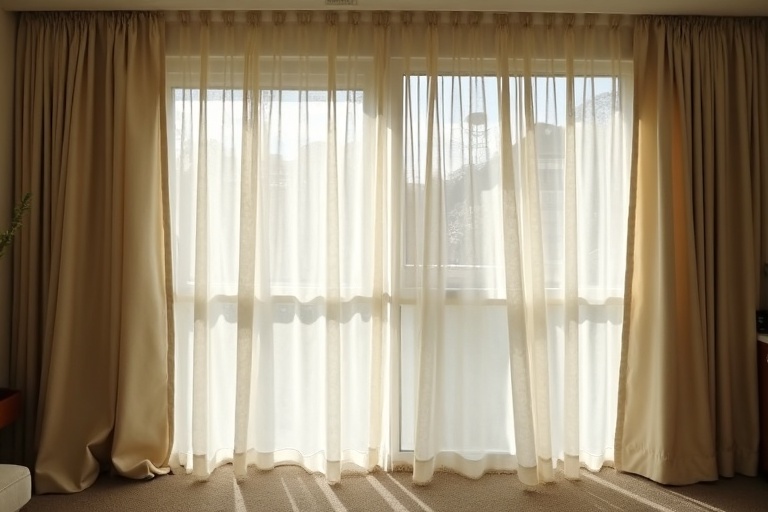

How to Clean Sheer Curtains Without Damaging Them
Sheer curtains are a beautiful addition to any room, diffusing harsh sunlight into a soft glow while maintaining a sense of openness and privacy. However, because sheer fabrics like lace, voile, organza, and fine polyester are incredibly delicate and lightweight, they require specialized care. A single mistake during washing can lead to permanent tears, snags, color yellowing, or shrinkage. In this guide, we explain how to clean sheer curtains safely without causing damage.
1. Spot the Dangers of Aggressive Cleaning
Sheer curtains are constructed from extremely fine threads woven into a loose, breathable pattern. This delicate weave makes them highly vulnerable to mechanical friction and chemical stress. Placing sheers in a standard washing machine cycle with heavy cottons or rough items like jeans is a recipe for disaster. The friction will break the delicate fibers, causing fraying, holes, and snags.
Furthermore, sheer curtains are highly prone to sun damage. Because they hang directly in front of window panes, they absorb intense ultraviolet (UV) radiation day after day. Over time, this UV exposure weakens the fibers, making them brittle. If you subject brittle sheer fabric to high-heat drying or vigorous washing, they can literally tear apart in your hands. Gentle care is the only way to preserve their soft texture and structural integrity.
2. The Hand Washing Technique: The Absolute Safest Method
For delicate lace, vintage sheers, or fine voile panels, hand washing is highly recommended. By washing them by hand, you eliminate the mechanical stress of a machine drum entirely, ensuring a gentle, controlled clean.
To hand wash sheer curtains safely, follow these steps:
- Prepare a Clean Basin: Clean a bathtub or large laundry tub thoroughly to remove any chemical residues, and fill it with cool water.
- Dissolve a Gentle Detergent: Mix in a mild, pH-balanced liquid detergent formulated for delicate fabrics, ensuring it is completely dissolved.
- Gently Knead the Fabric: Submerge the sheers completely. Gently press the soapy water through the fabric using a squeezing motion. Never scrub, rub, or wring the material.
- Soak and Rinse: Allow the sheers to soak for ten minutes. Drain the tub and rinse thoroughly with cold water until the water runs clear and soap-free.
3. Machine Washing Sheers Safely: The Protective Mesh Bag Hack
If your sheer curtains are made from durable modern polyester voile and are in good, sturdy condition, you can wash them in a machine. However, you must take specific precautions to protect the delicate panels from friction and snags.
Always place your sheer panels inside a large, zippered mesh laundry wash bag. This mesh bag acts as a protective shield, preventing the sheer fabric from rubbing against the metal drum or wrapping around the central agitator. Select the "Delicates" or "Gentle" cycle, use cold water, and choose the absolute lowest spin speed. High spin speeds compress the fine fibers, creating deep wrinkles that are very difficult to iron out. Wash sheers separately from other household laundry to ensure a gentle, clean finish.
Restoring Yellowed Sheers
Sheer curtains frequently develop an unsightly yellow tint due to sun exposure, dust accumulation, and nicotine smoke. To restore their bright, clean appearance, do not use harsh chlorine bleach, which can weaken and yellow the fibers further. Instead, add a cup of oxygen bleach or half a cup of baking soda to the cool wash water. Alternatively, soak yellowed sheers in a tub of warm water mixed with a cup of white vinegar for an hour before washing gently.
4. Safe Ironing and Pressing Techniques for Sheers
Once dry, sheer curtains can sometimes retain minor wrinkles. However, because sheers are composed of thin synthetic or delicate natural fibers, they are highly sensitive to direct heat. Touching a hot iron directly to organza or fine polyester sheer will instantly melt or burn the fabric, creating permanent holes.
Always set your iron to the absolute lowest heat setting (often marked as "synthetics" or "cool"). Lay the sheer panel on your ironing board, and place a clean, slightly damp white cotton towel over the sheer fabric. Iron gently on top of the towel; the damp heat will safely smooth out the wrinkles underneath without direct metal-to-fabric contact. Alternatively, you can use a handheld fabric steamer held at a safe distance of ten centimeters while the curtains are hanging, keeping the nozzle moving continuously to protect the fine weave.
5. Managing Dust Mite Allergens on Sheer Fabrics
Due to their lightweight and porous design, sheer curtains collect microscopic indoor allergens rapidly. Because sheers hang close to window frame gaps where outdoor pollens enter, they become heavily saturated with pollen dust and dust mite waste. For individuals suffering from allergic rhinitis or asthma, this accumulation presents an ongoing trigger, as normal household currents continuously disperse these allergens into your living areas.
To manage these allergens safely without washing the sheers weekly, perform a gentle, dry allergen treatment. Once a month, use a soft electrostatic dusting wand to lift surface pollen grains without rubbing. Keep your window sills vacuumed and treated with an allergen-neutralising spray. When wet cleaning, utilizing cool water mixed with a few drops of eucalyptus oil can help lift dust mite particles effectively, restoring your indoor air quality and keeping your sheers pristine.
6. Drying and Rehanging Without Heat
You must never place sheer curtains in a tumble dryer. The high heat of a dryer can melt fine synthetic fibers, distort the shape, and set permanent creases. Instead, expel excess water gently by pressing the fabric against the side of the tub or rolling them in a clean white towel. Rehang the damp sheers directly onto your curtain rods immediately. The lightweight fabric dries incredibly fast, and the weight of the damp material will pull out minor wrinkles, leaving them hanging with a smooth, elegant drape. Ensure the windows are open and fresh air is circulating. Additionally, take a moment to adjust the folds and pleats while the fabric is damp so that they dry in their intended shapes, minimizing the need for touching up later. This attentive, hand-care approach preserves your curtains beautifully for years.